Light Rail and Metroline
Light Rail Extension
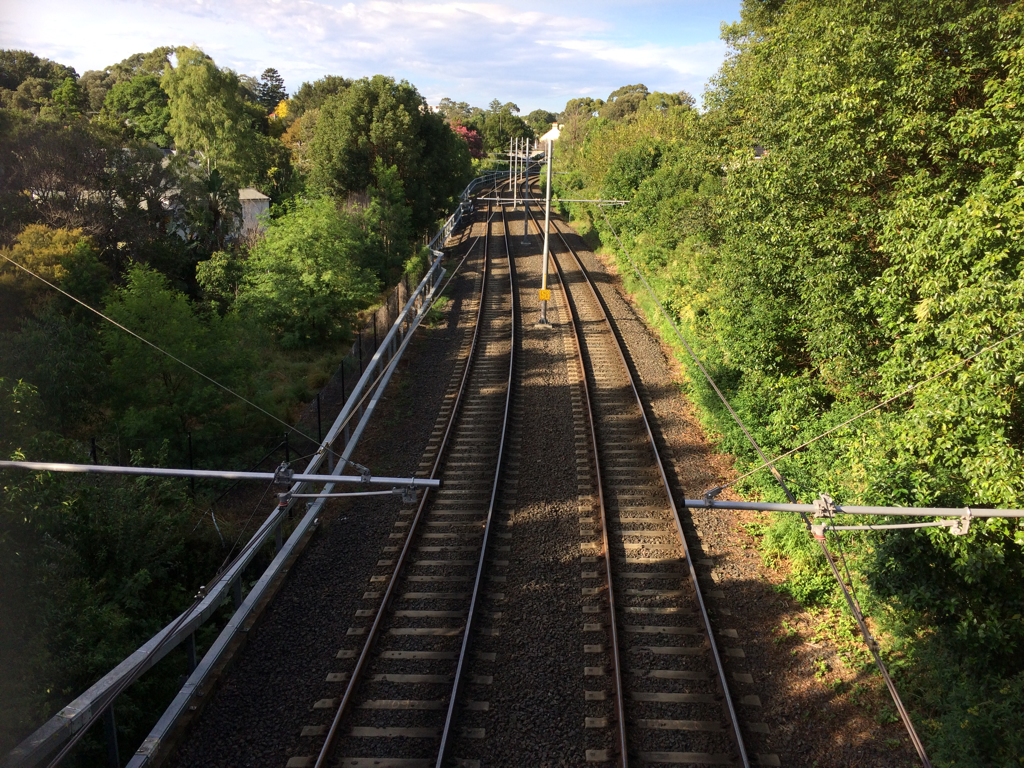
A key issue in sustainability is its car-dependence. Every improvement in public transport is a step towards improving Sydney's sustainability. The 2013 Inner West Light Rail Extension involved utilising former freight lines to extend light rail services from Lilyfield to Dulwich Hill. The light rail now extends from Lilyfield into the CBD, and commuters can also connect to the Inner West rail line at Summer Hill or Stanmore. The extension of the light rail line through the Inner West involved a 5.6 km line extension and the construction of stops at Leichhardt North, Hawthorne, Marion, Taverners Hill, Lewisham West, Waratah Mills, Arlington, Dulwich Grove and Dulwich Hill Interchange.
A key issue in sustainability is its car-dependence. Every improvement in public transport is a step towards improving Sydney's sustainability. The 2013 Inner West Light Rail Extension involved utilising former freight lines to extend light rail services from Lilyfield to Dulwich Hill. The light rail now extends from Lilyfield into the CBD, and commuters can also connect to the Inner West rail line at Summer Hill or Stanmore. The extension of the light rail line through the Inner West involved a 5.6 km line extension and the construction of stops at Leichhardt North, Hawthorne, Marion, Taverners Hill, Lewisham West, Waratah Mills, Arlington, Dulwich Grove and Dulwich Hill Interchange.

|
|
Metroline
The existing rail line between Sydenham to Bankstown will be converted to a Metro line. During construction the rail line will not be in operation. It is anticipated that once completed, it will reduce wait times and travel times to the city. However, the existing rail line allows commuters to connect with the existing CityRail network and travel to locations such as Chester Hill, Villawood, Cabramatta and Liverpool, without having to change trains. Commuters can then change trains to connect with the rest of the CityRail network. It is unclear at this stage how the Metro line will interact with the existing City Rail and light rail networks.
The existing rail line between Sydenham to Bankstown will be converted to a Metro line. During construction the rail line will not be in operation. It is anticipated that once completed, it will reduce wait times and travel times to the city. However, the existing rail line allows commuters to connect with the existing CityRail network and travel to locations such as Chester Hill, Villawood, Cabramatta and Liverpool, without having to change trains. Commuters can then change trains to connect with the rest of the CityRail network. It is unclear at this stage how the Metro line will interact with the existing City Rail and light rail networks.
Lesson Activity:
Determine the advantages and disadvantages of replacing the existing train line with the Metroline.
Determine the advantages and disadvantages of replacing the existing train line with the Metroline.
